

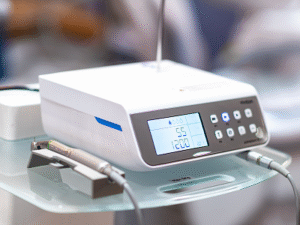
Medical devices play a critical role in modern healthcare. They are used to diagnose illness, manage chronic conditions, restore function, and support patient safety. When a medical device is defective, the consequences can be serious. Faulty implants, monitoring equipment, or diagnostic tools can introduce unexpected risks, worsen medical outcomes, or require additional procedures to address the harm.
Understanding how defective medical devices are investigated and recalled helps patients and families make sense of what happens after a device fails. It also explains how responsibility is evaluated when products placed into medical care prove unsafe.
What Qualifies as a Defective Medical Device
A medical device may be considered defective when it presents unreasonable health risks during normal or foreseeable use. Defects typically fall into several categories:
- Design defects, where the device is inherently unsafe due to flaws in development
- Manufacturing defects, where errors during production compromise quality or performance
- Marketing defects, including inadequate warnings or instructions that fail to disclose known risks
- Material defects, such as the presence of toxic or unsuitable materials
These issues affect a wide range of products, including implanted devices, surgical instruments, diagnostic equipment, insulin pumps, heart stents, and monitoring tools.
How Safety Issues Are Identified
Medical device issues frequently surface after extended use, in which a patient may experience complications, a physician may notice repeated malfunctions, or a hospital may identify concerning patterns during internal review.
Safety concerns commonly surface through:
- Adverse event reports from healthcare providers
- Patient complaints involving device failure or injury
- Post-market surveillance and data analysis
- Internal quality reviews by manufacturers
- Independent research or clinical findings
In many cases, a broader defect becomes apparent only after multiple reports point to the same device or failure pattern.
Regulatory Oversight and FDA Review
In the United States, medical device safety is overseen by the Food and Drug Administration. When potential risks are identified, the FDA evaluates if a device presents a threat to patient health.
A regulatory review may examine:
- Injury and malfunction reports
- Design and manufacturing documentation
- Compliance with testing and safety standards
- The adequacy of warnings and instructions
- Whether continued use poses unacceptable risk
FDA findings can lead to safety communications, corrective requirements, or recall proceedings. Patients and providers can review active and recent medical device recalls through the FDA’s public recall database, which tracks safety alerts and corrective actions.
How Medical Device Recalls Occur
A medical device recall is a corrective action taken when a product violates federal law or presents a risk to public health. Most recalls are initiated voluntarily by manufacturers, although the FDA has authority to mandate a recall when necessary.
Recall actions may include:
- Safety alerts to healthcare providers
- Public warnings to patients
- Removal of unused devices from circulation
- Repairs, software updates, or modifications
- Instructions for patient monitoring
- Recommendations for device removal or replacement
Recalls are classified based on the level of risk involved, ranging from devices that may cause temporary harm to those that present a serious or life-threatening danger.
Why Recalls Often Follow Patient Injuries
Many medical devices reach the market with limited long-term data, particularly those approved through expedited regulatory pathways. While pre-market testing is required, some risks only become evident once devices are used widely in real-world medical settings.
As injuries occur and reports accumulate, regulators rely on adverse event data and post-market surveillance systems to determine if corrective action is needed. A recall addresses future safety concerns, but it does not resolve harm already suffered by patients.
Device Tracking and Identification
Medical devices are tracked through reporting and identification systems designed to detect patterns of failure. These tools help investigators connect injuries to specific products, manufacturing batches, or design flaws.
Tracking mechanisms may include:
- FDA adverse event reporting databases
- Unique device identifiers
- Manufacturer registration and product records
These systems play a key role in both regulatory investigations and legal claims involving defective devices.
What a Recall Does and Does Not Mean for Patients
A recall is a regulatory action, not a legal determination. It does not automatically establish liability, nor does it prevent injured patients from pursuing product liability or medical malpractice claims.
For patients, a recall often raises critical questions:
- Was the recalled device used during treatment?
- Did the defect contribute to injury or complications?
- Were risks adequately disclosed to medical providers or patients?
- Could corrective action have occurred sooner?
Answering these questions requires careful review of medical records, device history, and regulatory findings.
Investigating Responsibility After a Device Failure
When a defective medical device causes harm, responsibility may extend beyond a single party. Investigations may involve:
- Manufacturers responsible for design or production
- Suppliers and distributors
- Hospitals or healthcare systems
- Medical professionals involved in device selection or use
These cases often include both product liability and medical malpractice considerations. Determining responsibility requires a fact-driven investigation grounded in technical and medical evidence.
How Legal Investigations Are Conducted
Legal investigations into defective medical devices rely on collaboration with engineers, clinicians, and regulatory experts. Attorneys may review:
- Product development and testing records
- Manufacturing and quality-control data
- Safety alerts, recalls, and FDA communications
- Regulatory submissions and approvals
- Patient medical records and outcomes
This process helps confirm defects, assess safety standards, and evaluate injury prevention.
Why Timing Matters After a Recall
Claims involving defective medical devices are subject to strict filing deadlines. A recall or public warning does not automatically extend these time limits.
Early legal review helps preserve evidence, secure medical documentation, and determine whether a claim can be pursued under applicable law.
Accountability After a Defective Medical Device Injury
Medical devices are essential to patient care. When they fail, the consequences can be severe and long-lasting. Regulatory action protects public health, but it does not address the individual harm already done.
When a defective medical device causes injury, the law provides a framework to evaluate product safety, identify responsible parties, and pursue accountability. A careful legal review allows injured patients and families to understand their options based on evidence, safety standards, and the facts of their case.
If you were harmed by a defective medical device, the attorneys at Morelli Law Firm can review what happened and explain the legal options available under the law. Contact our attorneys for a free and confidential case evaluation.