

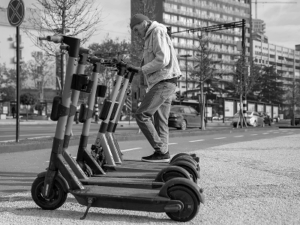
If you were hurt in an electric scooter accident, you may be able to file a legal claim against the rental company, another driver, or even the city. These cases often involve complex liability issues and strict deadlines under New York’s statute of limitations.
Dockless scooters like those operated by Lime and other e-scooter rental companies have become popular in New York and other metro areas. If you’ve suffered head injuries, spinal cord injuries, or other trauma from an e-scooter crash, understanding your rights is crucial. We’ll walk you through when you can file a personal injury claim, how New York traffic laws apply to your situation, and when product liability laws may support your case.
When You Can Hold an E-Scooter Rental Company Liable for Your Injuries
New York’s electric scooter laws, including § 1282, set the rules for how scooters must be operated and help determine fault after a crash. You can hold a rental scooter company liable when its negligence contributes to your injury. These companies have a duty to keep their equipment safe, and New York City reinforces that duty by requiring scooter-share operators to follow a formal Vehicle Maintenance and Inspection Plan that outlines how scooters must be inspected, serviced, and repaired.
Under the federal Graves Amendment, § 30106, a rental company is shielded from liability for a rider’s actions, but it is still fully responsible for its own negligence, including failing to maintain its fleet or ignoring safety obligations that place riders at risk.
When a company ignores these safety obligations and a scooter malfunction causes harm, it may be held liable under basic negligence law. Legal claims often stem from:
1. Defective or Poorly Maintained Scooters
If a defective scooter causes an accident, brake failure, locked throttle, or battery fire, you may have grounds for a product liability claim. These cases may target the rental company and/or manufacturer. Any scooter malfunction that leads to a crash can serve as the foundation for a personal injury lawsuit.
2. Unsafe Deployment or Parking
Scooters left on broken sidewalks, dark alleyways, or steep inclines create hazards. Under New York law, companies must use ordinary care when placing their devices. Dangerous placement may support a negligence-based injury claim.
3. Lack of Inspection or Maintenance
E-scooters often log dozens of rides a day. If the company failed to inspect or repair a unit before redeploying it, and that is what led to your crash, they may be liable.
4. App or GPS Errors
Some scooter crashes involve app glitches that lead riders through unsafe routes or lock scooters during operation. These tech-related failures can also support legal action.
Can You Sue if Another Driver Caused the Accident?
Yes. Many scooter accidents are caused by negligent drivers who fail to check blind spots, speed through intersections, or ignore traffic laws. These dangers are real. According to a 2023 MITRE study on micromobility safety, fatal scooter crashes often occur when drivers turn into scooters traveling beside them, unaware they’re in the vehicle’s blind spot. This “right hook” collision is one of the most common and deadly crash types involving e-scooters.
In these cases, your personal injury claim may target:
- The at-fault driver
- A delivery or rideshare company
- A commercial truck operator
Insurance coverage may be available through the driver’s policy, commercial liability insurance, or even your own uninsured/underinsured motorist protection. A scooter accident lawyer can help identify all available coverage.
What About City Liability or Road Hazards?
If poor road design, missing signage, or potholes contributed to your electric scooter accident, you may be able to sue the city or municipality. But these claims involve short notice deadlines. You may have as little as 90 days to file a Notice of Claim, so act quickly.
Are Liability Waivers in Scooter Apps Enforceable?
Scooter rental apps often include liability waivers or arbitration clauses. These can limit your right to sue, but in New York, not all such waivers are enforceable. At Morelli Law, we challenge any waiver that tries to shield a company from responsibility, especially since the New York Court of Appeals made clear in Gross v. Sweet that vague or one-sided exculpatory terms cannot stand when gross negligence or dangerous equipment is involved.
A scooter accident lawyer can review the waiver and advise whether your claim can move forward.
How Do You Prove Fault in a Rental Scooter Crash?
Winning your legal claim depends on strong evidence. Key items include:
- The scooter itself (for defect inspection)
- App data and GPS logs
- Witness statements
- Photos of the scene and your injuries
- Medical records
- The accident report (from police or DOT)
Your lawyer may also work with mechanical engineers or accident reconstruction experts to demonstrate how the crash occurred.
What Damages Can You Recover?
If your personal injury claim succeeds, you may recover compensation for:
- Medical expenses
- Future care and therapy
- Lost wages and reduced earning ability
- Pain and suffering
- Disfigurement
- Permanent disability from spinal cord injuries or traumatic brain injuries
In fatal cases, surviving family members may pursue wrongful death damages.
How Long Do You Have to File an Injury Claim?
New York’s statute of limitations gives you three years from the date of the accident to file most personal injury claims. Claims involving municipalities or public property may require a Notice of Claim within 90 days.
Product liability claims and insurance claims also have specific deadlines. An attorney can help you preserve your rights and meet all legal requirements.
Contact Morelli Law Firm for a Free Case Evaluation
If you were injured while riding a rental scooter, don’t wait. We help clients across New York City and the surrounding areas hold scooter companies and negligent drivers accountable. Whether your accident involved a rental scooter, a dangerous defect, or negligence by the city, we will stand up for your rights and fight for your recovery.
Call now for a free consultation. You pay no fee unless we win your case.