

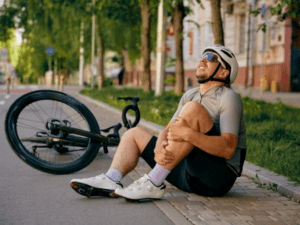
Brooklyn topped PeopleForBikes’ 2025 City Ratings as the best large U.S. city for biking, earning a score of 72 for its investments in connected cycling infrastructure. New York City promotes cycling so actively that the Department of Transportation designates an official citywide Bike to Work Day each May. The message from the city is clear: get on your bike.
But the streets tell a different story.
The same corridors where cyclists commute, shop, and train are shared with box trucks, delivery vans, and commercial freight vehicles operating on tight schedules. According to the New York City Department of Transportation (NYC DOT), more than 620,000 cycling trips are made on NYC streets every day. When one of those vehicles strikes a cyclist and the driver keeps moving, the path to recovery becomes significantly more complicated.
Why Delivery Truck Crashes Are So Dangerous for Cyclists
Cyclists have no crumple zone, no airbag, and no barrier between themselves and a vehicle that may weigh tens of thousands of pounds. According to NYC DOT, 30 percent of cyclist KSI (killed or seriously injured) crashes involving trucks between 2003 and 2016 resulted in death, a rate higher than for any other vehicle category. Between 2020 and 2024, NYC recorded 140 freight-involved traffic fatalities, representing 11 percent of all traffic deaths citywide.
Box trucks, delivery vans, and large freight vehicles present structural hazards that passenger cars do not. Blind spots can extend the full length of the cab and trailer, and a commercial driver making a right turn may never see a cyclist riding in the bike lane alongside the vehicle. At intersections where traffic signals create brief overlap between turning trucks and cyclists, the risk is especially high. These are not freak accidents. They are predictable outcomes of placing large commercial vehicles on NYC streets without adequate infrastructure.
Cyclists struck by delivery trucks may suffer traumatic brain injuries, spinal cord injuries, broken bones, internal organ damage, and permanent disability, often requiring extended hospitalization and long-term rehabilitation.
What to Do After a Bicycle Hit-and-Run in New York City
The steps you take after a bicycle accident can determine whether your rights are protected or compromised. Acting quickly matters.
Seek Medical Attention Immediately
Your health comes first. Some injuries, including internal bleeding and traumatic brain injuries, may not produce symptoms right away. Seek medical treatment as soon as possible. Medical records documenting your injuries are essential evidence when pursuing an insurance claim or personal injury claim.
Report the Accident to the Police
A police report creates an official record of what happened. Law enforcement may also review nearby surveillance footage, traffic cameras, and license plate reader data that could help identify the vehicle. Under New York Vehicle and Traffic Law §600, drivers have a legal duty to stop and exchange information after a crash. Leaving the scene is a criminal offense, with penalties that escalate based on the severity of harm.
Document the Accident Scene
If you are physically able, photograph the accident scene, any damage to your bicycle, skid marks, and debris. Collect the names and contact information of any witnesses. Footage from nearby businesses or traffic cameras can sometimes identify the delivery vehicle involved, but surveillance video is often overwritten within days. Act quickly to preserve it.
File a DMV Report If Required
New York law requires a written crash report to be filed with the Department of Motor Vehicles within 10 days when property damage exceeds $1,000. Missing that deadline can complicate your insurance claim.
Contact an Attorney Before Speaking With Insurers
Insurance carriers for commercial delivery companies are experienced at limiting payouts after crashes. Speaking with a personal injury attorney before providing recorded statements can protect your interests from the start.
Who May Be Liable in a Commercial Delivery Truck Hit-and-Run
When a delivery truck driver flees the scene, liability may extend well beyond that driver. Delivery vehicle accidents often involve the company that dispatched the vehicle, the business that owns the truck, or a third-party logistics contractor.
Many large delivery operations rely on independent contractors for last-mile delivery, and determining who controlled the vehicle and bore responsibility for supervising commercial drivers is often central to a legal case. Liability may also extend to negligent hiring, negligent supervision, or negligent entrustment claims against the company.
Evidence used to identify responsible parties includes GPS tracking data, delivery logs, company dispatch records, vehicle registration, fleet ownership records, and surveillance footage from the crash location.
Insurance Coverage After a Hit-and-Run Crash
Even when the driver cannot be immediately identified, injured cyclists in New York may still have options for financial recovery. Insurance issues in hit-and-run cases involve overlapping deadlines and coverage rules, but several layers of protection may be available.
Under New York’s No-Fault insurance laws, your own auto insurance carrier must provide immediate benefits after a motor vehicle collision, even when the responsible driver is unknown. These benefits cover medical bills and a portion of lost wages and apply regardless of fault.
When injuries exceed what No-Fault benefits cover, uninsured motorist coverage may provide a secondary source of recovery. This coverage is specifically designed to protect people injured by drivers who lack insurance or leave the scene. Insurance carriers closely scrutinize hit-and-run claims. Early documentation is essential.
What Damages May Be Available
Injured cyclists who bring a personal injury claim may recover economic damages including past and future medical expenses, lost wages, rehabilitation costs, and property damage. Non-economic damages cover pain and suffering, emotional distress, loss of enjoyment of life, and permanent disability. New York follows comparative negligence rules. Even if you share some portion of fault for the crash, you may still recover compensation. Your damages would be reduced proportionally, but partial fault does not bar recovery entirely.
Time Limits That Apply to Your Claim
The statute of limitations for a personal injury lawsuit in New York is generally three years from the date of the accident. Claims involving government entities may carry shorter deadlines. Insurance policies also impose their own notice requirements, and failing to report promptly can jeopardize your access to benefits. In hit-and-run cases, delay causes additional harm: surveillance footage is overwritten, witness memories fade, and the vehicle becomes harder to trace. The sooner an investigation begins, the better.
Morelli Law Firm Represents Injured Cyclists Throughout New York
A hit-and-run involving a commercial delivery vehicle is a preventable event, and the negligent driver is rarely the only party responsible for what happened to you.
The bicycle accident lawyers at Morelli Law Firm represent injured cyclists and their families throughout New York. Contact us today for a free and confidential case evaluation.