

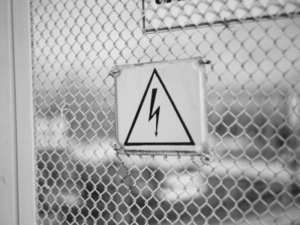
Electricity powers modern construction sites. Temporary wiring, power tools, lighting systems, and heavy equipment all depend on electrical systems to keep projects moving. But when electrical systems are poorly managed, the results can be catastrophic.
Federal safety data shows that electrical incidents account for a significant share of construction work site fatalities. Electrocution injuries rarely occur without warning signs. In many cases, the hazard existed long before the accident occurred. When safety rules are ignored or electrical systems are improperly installed, New York law may allow injured workers to hold responsible parties accountable.
Understanding how construction liability works can help clarify when electrical hazards become legal violations.
Why Electrocution Accidents Occur on Construction Sites
Construction sites contain numerous potential electrical hazards. Temporary wiring, unfinished electrical systems, exposed circuits, and energized equipment create dangerous conditions when proper safety procedures are not followed.
According to data compiled by the Electrical Safety Foundation International (ESFI), the construction industry records more electrical fatalities than any other industry in the United States. Common causes of electrocution accidents on construction sites include:
- Failure to follow lockout or tagout procedures before servicing electrical equipment
- Improper grounding of electrical wiring or devices
- Contact with exposed or energized wires
- Unsafe temporary power installations, including missing or defective ground-fault circuit interrupters (GFCIs)
- Failure to provide insulated tools and protective equipment
When safety protocols are ignored or electrical systems are installed improperly, construction workers can be exposed to dangerous voltage levels without warning. Electrocution accidents often occur in environments where multiple contractors and subcontractors are working simultaneously, making the investigation into liability particularly complex.
Construction Safety Culture and Preventable Risks
Construction safety experts have long pointed to workplace culture as a factor in preventable job-site accidents. Workers sometimes resist safety protocols when they believe those measures slow down productivity, and in some environments, speaking up about hazardous conditions is discouraged.
While construction safety standards have improved significantly over the past decade, the reality remains that when safety procedures are ignored or discouraged, workers face unnecessary risks. New York construction safety laws exist in part to address these realities by placing clear responsibility on those who control the worksite.
How New York Labor Law Establishes Liability
New York has some of the strongest construction worker protections in the country. Several provisions of New York Labor Law establish legal duties for property owners and contractors to maintain safe construction environments. Depending on the circumstances, injured workers may pursue claims under several legal provisions.
Labor Law §200
Labor Law §200 codifies the common-law duty to provide a reasonably safe workplace. When construction supervisors, contractors, or property owners allow unsafe electrical conditions to exist, they may be held liable for resulting injuries.
Labor Law §240(1)
Often referred to as the “Scaffold Law,” Labor Law §240 primarily applies to gravity-related risks such as falls or falling objects. Electrical accidents may intersect with elevation hazards in certain circumstances.
Labor Law §241(6)
Labor Law §241(6) requires construction sites to comply with specific safety rules outlined in the New York Industrial Code. These regulations include provisions governing electrical safety and job-site protections. Violations of these safety rules may form the basis for liability when construction workers suffer injuries.
Parties That May Be Liable for Electrocution Injuries
Multiple entities may share responsibility for maintaining safe working conditions. Potentially liable parties include:
- General contractors or construction managers: These parties are typically responsible for overseeing site safety and coordinating work among subcontractors.
- Electrical subcontractors: Improper wiring, unsafe installations, or defective electrical systems can create dangerous conditions.
- Property owners or developers: Owners may be responsible when hazardous conditions exist on the property or when they fail to address known safety risks.
- Equipment manufacturers: Defective electrical tools or safety devices can contribute to electrocution accidents.
- Architects or engineers: In rare cases, unsafe design decisions may contribute to electrical hazards.
Determining who is legally responsible often requires reviewing accident reports, site safety logs, electrical installation records, inspection reports, and witness statements.
Investigating Electrocution Accidents on Construction Sites
Construction accident investigations typically focus on how the electrical hazard developed and whether safety rules were followed. Important evidence may include:
- Site safety reports
- OSHA or Department of Buildings investigations
- Electrical system inspection records
- Photographs of exposed wiring or unsafe installations
- Maintenance and repair logs
- Witness statements from workers and supervisors
In many cases, these investigations reveal that the electrical hazard was known, or should have been known, before the accident occurred.
Workers’ Compensation and Third-Party Liability
Construction workers injured on the job are typically eligible for workers’ compensation benefits, which can cover medical treatment and partial wage replacement regardless of fault. However, workers’ compensation does not always address the full impact of a catastrophic injury.
When electrocution accidents result from unsafe job-site conditions, injured workers may also have the right to pursue claims against third parties, such as property owners, contractors, or equipment manufacturers whose negligence contributed to the accident. These claims may allow injured workers to seek additional compensation beyond workers’ compensation benefits.
The Severe Consequences of Electrocution Injuries
Electrical injuries can cause severe and long-lasting harm. High-voltage shocks can damage internal organs, disrupt the heart’s electrical system, and cause devastating neurological injuries. Common consequences of electrocution accidents include:
- Severe burns
- Traumatic brain injuries
- Nerve damage and neurological impairment
- Cardiac arrest or heart rhythm abnormalities
- Muscle damage and internal injuries
- Permanent disability
Many victims require extensive medical treatment and long-term rehabilitation following electrical injuries.
Seeking Accountability After an Electrocution Injury
Electrocution accidents on construction sites often raise significant questions about workplace safety and compliance with New York Labor Law. When electrical hazards are ignored or safety protocols are violated, construction workers can suffer life-altering injuries.
The personal injury attorneys at Morelli Law Firm represent construction workers and families harmed by unsafe job-site conditions throughout New York City. Our legal team investigates complex construction accidents, identifies responsible parties, and pursues compensation for those affected by negligence.
Contact Morelli Law Firm today for a free and confidential case evaluation.