

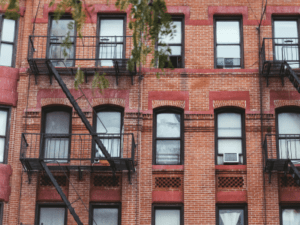
A crack in the ceiling. A staircase that gives way. A balcony railing that fails without warning. Structural hazards in New York City apartment buildings can cause catastrophic injuries in an instant, and in many cases, the landlord knew about the problem long before anyone got hurt.
Under New York law, property owners have a duty of care to maintain their buildings in safe condition. When landlord negligence leads to unaddressed structural hazards, devastating injuries can occur, and those failures can give rise to premises liability claims against those responsible.
Understanding landlord responsibilities under New York housing law helps clarify when building defects cross the line from maintenance issues into legal liability.
What Qualifies as a Structural Defect?
Not every crack in a wall signals a structural emergency. However, structural defects typically involve conditions that compromise a building’s stability, strength, or ability to safely support weight. Common examples of structural hazards in apartment buildings include:
- Cracks in foundations or exterior walls that compromise structural stability
- Sagging or collapsing ceilings
- Damage to load-bearing walls
- Unsafe balconies or terraces
- Broken steps, loose stair treads, and failing handrails
- Structural beams weakened by water intrusion, rot, or corrosion
- Severe building settlement causing floors to slope or separate
- Hazardous conditions in shared spaces such as laundry rooms, basements, and parking garages
These conditions differ from cosmetic issues such as minor plaster cracks or peeling paint. Structural problems can worsen over time and may place tenants, guests, and building staff at significant risk of injury.
Under New York City law, landlords are responsible for maintaining the structural integrity of the properties they own and operate.
NYC Housing Maintenance Code Requirements
New York City’s Housing Maintenance Code requires property owners to maintain residential buildings in safe condition. These building code obligations apply to both individual apartments and shared areas such as hallways, stairwells, roofs, and building entrances.
Critical structural elements, including foundations, walls, ceilings, roofs, and stairways, must be kept in safe working condition. When those components deteriorate and create hazardous conditions, the New York City Department of Housing Preservation and Development (HPD) may issue violations. Failure to address structural hazards can lead to:
- HPD violations
- Civil penalties and fines
- Housing Court proceedings
- Orders requiring immediate correction of hazardous conditions
Structural hazards often worsen if left unresolved. For that reason, landlords are expected to address known safety issues promptly once they are identified.
The Warranty of Habitability
New York law also imposes a warranty of habitability for residential tenants. This legal protection requires landlords to provide housing that is safe, livable, and free from conditions that threaten health or safety. When structural hazards interfere with a tenant’s ability to safely occupy an apartment, landlords may be responsible for correcting the problem and may face legal consequences if injuries occur.
When Structural Damage Becomes a Legal Violation
Not every maintenance issue automatically creates legal liability. Courts typically evaluate whether the condition created an unsafe environment and whether the property owner knew, or should have known, about the hazard.
Actual notice means the landlord was directly informed of the problem. Constructive notice means the hazard existed long enough that a reasonable inspection would have revealed it. This distinction is central to premises liability claims involving building safety hazards. Structural defects may become legal violations when they:
- Create a risk of collapse or falling debris
- Endanger residents, visitors, or building workers
- Interfere with safe access to apartments or emergency exits
- Affect essential building systems or structural stability
- Substantially interfere with a tenant’s safe use of the apartment
When dangerous conditions are reported or become obvious, landlords have a duty of care under New York law to investigate and repair safety hazards within a reasonable timeframe.
When Structural Hazards Lead to Catastrophic Injuries
Structural failures in residential buildings can result in life-altering harm. Falling debris, collapsing ceilings, defective staircases, and unstable balconies have all been linked to devastating accidents in New York apartment buildings. Injuries from structural hazards may include:
- Traumatic brain injuries
- Spinal cord injuries
- Broken bones and crush injuries
- Internal injuries
- Permanent disability or long-term impairment
In many cases, determining liability requires a detailed investigation into maintenance records, building inspections, repair histories, prior complaints, medical records documenting the injuries sustained, and witness statements from residents or building staff.
A Recent Tragedy Demonstrates the Consequences of Unsafe Housing Conditions
On November 15, 2025, two-year-old Justin Christian El-Abiad fell 20 stories from Elizabeth Towers in Newark, New Jersey. Morelli Law Firm filed a wrongful death lawsuit on behalf of the child’s family, alleging that building management had prior notice of defective windows and failed to install legally required window guards despite knowing young children lived in the unit.
Following the child’s death, Newark officials cited the property for numerous housing code violations and sought injunctive relief against the building. Lawmakers later introduced the “Justin Christian El-Abiad Act,” which would mandate window guards in apartments where children under 13 reside and impose stricter penalties for noncompliance.
“This case raises serious questions about landlord accountability and basic safety obligations in high-rise residential buildings, especially where young children are involved,” said Benedict Morelli, founder of Morelli Law Firm. All defendants are presumed innocent of wrongdoing until proven otherwise in a court of law.
Deadlines for Filing a Building Accident Claim in New York
New York’s statute of limitations gives most premises liability claimants three years to file. But building accident cases involving city-owned or city-operated properties require a notice of claim within just 90 days of the incident. Missing that window can bar recovery entirely, regardless of how strong the case is. In most private landlord cases, the statute of limitations begins running on the date the injury occurs.
Compensation Available After a Building Accident
When a structural hazard caused by landlord negligence results in injury, victims may pursue compensation for the full scope of their losses. Recoverable damages include both economic and non-economic harm:
- Medical expenses, including emergency care, ongoing medical treatment, surgery, and rehabilitation
- Lost wages and reduced earning capacity
- Pain and suffering
- Loss of enjoyment of life
- Permanent disability or disfigurement
- Emotional distress and psychological harm
- Punitive damages, in cases involving reckless disregard for tenant safety
Seeking Accountability After a Building Accident
Apartment building accidents can leave victims facing catastrophic injuries, mounting medical bills, and lasting uncertainty about what caused the incident. When a structural hazard contributes to an injury, property owners, management companies, or other responsible parties may be legally accountable.
The personal injury attorneys at Morelli Law Firm represent individuals and families harmed by dangerous property conditions throughout New York City. Our legal team investigates complex building accident cases, identifies responsible parties, and pursues full compensation for those affected by landlord negligence.
Contact Morelli Law Firm today for a free and confidential case evaluation.